
Nutrition
Easy ways to eat more protein without tracking macros
Easy ways to eat more protein without tracking macros: why it helps fullness and muscle, plus simple swaps, budget and vegetarian high protein foods.
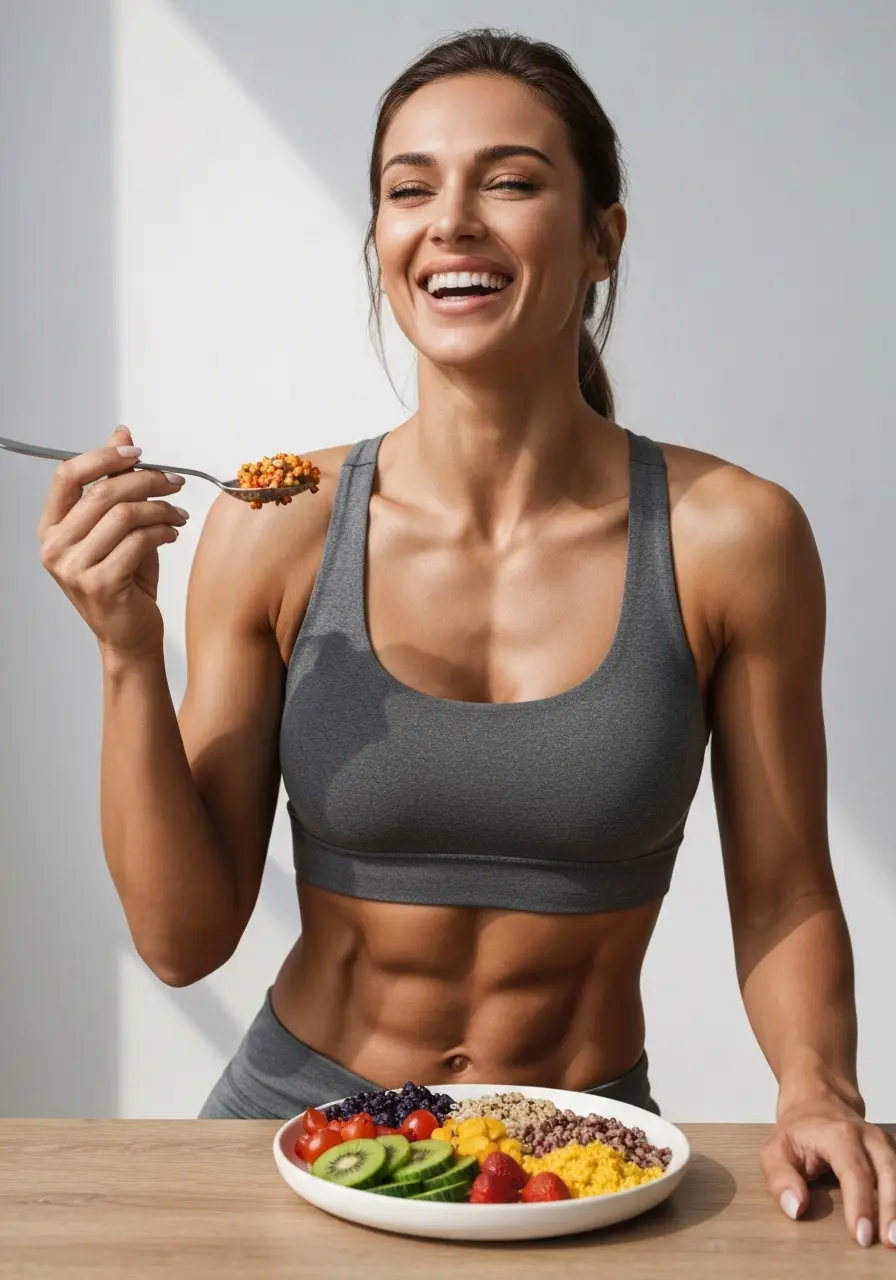
The easiest way to eat more protein is not a shake or a meal plan. It is adding one protein food to meals you already eat. Eggs with your toast. Beans in your soup. Greek yogurt instead of a granola bar.
You also don't need to count grams. A rough guide works for most people: aim for a palm-sized portion of a protein food at each meal. That is it. This article covers why protein matters for fullness and muscle, then gives simple swaps for breakfast, lunch, dinner and snacks, including budget and vegetarian options.
Why protein matters for fullness and muscle
Protein helps you feel full. A 2015 review in the American Journal of Clinical Nutrition found a modest fullness effect from higher-protein meals, along with higher levels of fullness hormones. The same review found that higher-protein diets during weight loss helped people keep more lean mass. The authors also noted that long-term results depend a lot on whether people stick with the diet.
Protein also helps protect muscle as you age. Cleveland Clinic explains that we slowly lose muscle as we get older, and that eating high-quality protein at each meal, along with resistance training, can help slow that loss. This matters even more when you are trying to lose weight, since some weight lost can come from muscle. It is one reason protein comes up so often in advice on losing weight after 50.
How much do you need? The Harvard T.H. Chan School of Public Health notes that adults need a minimum of 0.8 grams of protein per kilogram of body weight a day, or about 50 grams for a 140-pound person. The newest 2025–2030 Dietary Guidelines for Americans call for protein at every meal and set a higher target of 1.2 to 1.6 grams per kilogram. You don't need to do this math. Spreading protein across your day gets most people there.
One fair point: Harvard also notes that many people in the U.S. already eat enough protein. The bigger win for many is the type of protein. Harvard says choosing beans, nuts, fish or poultry in place of red and processed meat is linked to lower risk of several diseases.
The palm guide: protein without tracking
Counting grams works for some people, but many find it tiring. If you have tried tracking and quit, you are not alone. Here is why calorie counting often fails for long-term habits.
Instead, use your hand. It is always with you, and it is sized to your body.
- Meat, fish, chicken or tofu: about the size and thickness of your palm.
- Beans or lentils: about a cupped handful or two.
- Greek yogurt or cottage cheese: about a fist-sized scoop.
- Eggs: two eggs is a good start.
This is a rough guide, not a rule. Your needs depend on your size, age, activity and health. If you want a more exact number, a registered dietitian can help.
Add one thing at every meal
Breakfast
Breakfast is often the lowest-protein meal of the day. Toast, cereal, a muffin or just coffee. Try adding one of these:
- Add one or two eggs to your toast. Hard-boil a batch on Sunday for busy mornings.
- Swap regular yogurt for plain Greek yogurt and top it with fruit.
- Stir a spoonful of peanut butter into oatmeal.
- Make oatmeal with milk or soy milk instead of water.
- Have cottage cheese with fruit or on toast.
Lunch and dinner
Lunch and dinner usually have some protein already. The goal is to make sure there is a palm-sized portion, and to build the plate around it.
- Salad: add canned tuna, chicken, chickpeas or a hard-boiled egg.
- Soup: stir in a can of rinsed beans or lentils.
- Pasta: add chicken, shrimp or white beans. Or try a bean or lentil pasta.
- Sandwich: double the turkey or add hummus.
- Rice bowl: top it with tofu, an egg or black beans.
- Pizza night: add a side salad with chickpeas, or choose a chicken topping.
A simple plate idea: protein first, then vegetables, then the rest. It is not a rule, just an easy way to make sure the protein shows up. For more on changing food habits without a strict plan, see how to improve eating habits without dieting.
Snacks
Snacks are often chips, crackers or sweets. They are fine sometimes, but they don't keep you full for long. Higher-protein snacks may hold you over better:
- A cup of Greek yogurt or cottage cheese
- A small handful of nuts or roasted chickpeas
- A cheese stick with an apple
- Two hard-boiled eggs
- Hummus with carrots or whole-grain crackers
- Edamame, from the freezer section
- A glass of milk or soy milk
High protein foods on a budget (and without meat)
Protein does not have to be expensive. Some of the cheapest foods in the store are good sources:
- Eggs: fast, flexible and usually low cost per serving.
- Dried or canned beans and lentils: among the cheapest options, and they add fiber too.
- Canned tuna, salmon or sardines: keep a few cans for quick meals.
- Peanut butter: a little goes a long way.
- Frozen chicken or fish: often cheaper than fresh and keeps longer.
- Milk, plain yogurt and cottage cheese: buy larger tubs to save.
Cooking a big pot of beans or a tray of chicken once a week can make the rest of the week easier.
Vegetarian and plant-based options
You can get plenty of protein without meat. Good plant sources include:
- Beans, lentils, chickpeas and split peas
- Tofu, tempeh and edamame
- Nuts, seeds and nut butters
- Soy milk
- Whole grains like oats and quinoa, which add a bit more
If you eat eggs and dairy, Greek yogurt, cottage cheese, milk and eggs are easy wins too. Eating a mix of plant proteins across the day helps you get a good balance.
A caution for people with kidney disease
More protein is not right for everyone. If you have chronic kidney disease, talk with your doctor before you change how much protein you eat. The NIDDK explains that some people with kidney disease may need moderate amounts of protein so waste doesn't build up in the blood, while too little can lead to malnutrition. A dietitian can help find the right balance. The same goes if you have another health condition, are pregnant or follow a special diet for medical reasons.
Making it stick
The hard part is not knowing what to eat. It is remembering on a busy Tuesday. Pick one meal, maybe breakfast, and add one protein food every day this week. Once that feels normal, move to the next meal. These small steps add up over time.
Some people like a nudge. NextWeigh is an AI habit and accountability coach by text. Each morning it suggests one small action, like "add eggs or Greek yogurt to breakfast," and each evening it checks in to see if you did. There is no calorie logging. It is not nutrition advice, just help staying consistent. A sticky note on the fridge or a friend doing it with you can work too.
The bottom line
Protein helps you feel full and helps protect muscle, especially as you age or lose weight. You don't need to track macros or buy supplements. Add one protein food to each meal, use a palm-sized portion as a rough guide, and lean on cheap staples like eggs, beans and canned fish. If you have kidney disease or another health condition, ask your doctor first. For more on eating well without counting, see how to lose weight without tracking calories.